Sustainable projects: what is expected from EU-Funded initiatives today
June 23, 2026
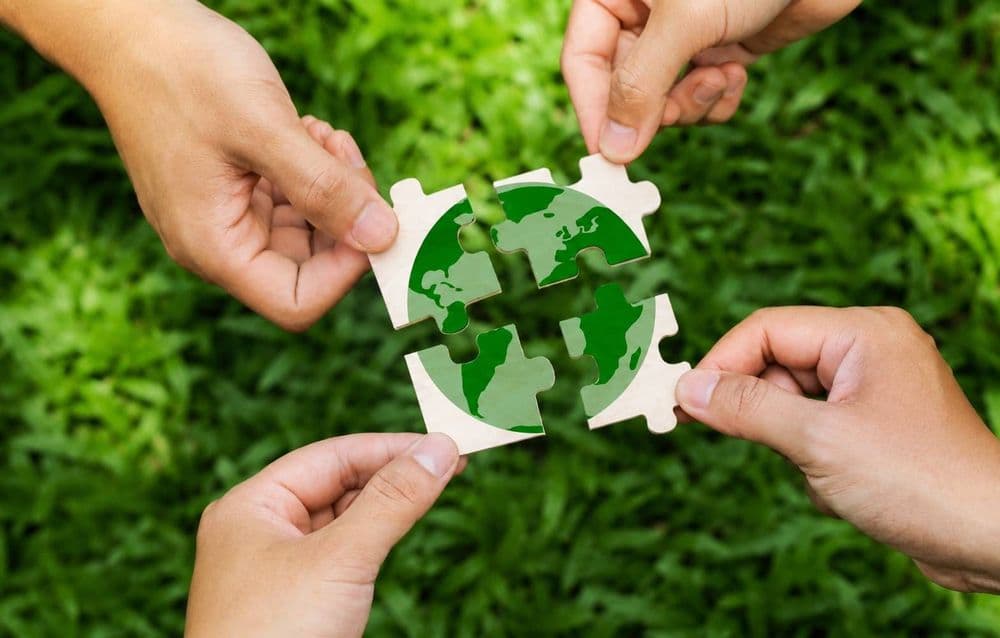
With the launch of a new phase of the 2021–2027 EU Investment Programme in Lithuania, the expectations for new projects have noticeably shifted. While previously EU funds were primarily allocated to infrastructure development or economic growth, sustainability, long-term impact, and resilience to future challenges are now becoming increasingly prioritized.
Today, European Union funding driven by the European Green Deal, climate neutrality objectives, digitalisation, social inclusion, and the strengthening of security and resilience. As a result, organisations are no longer expected to simply present an existing need – they must demonstrate what long-term value the project will create for society, the environment, and the economy.
Sustainability is most often associated with environmental protection, but in the context of EU-funded projects, the concept is understood more broadly and includes economic, social, and territorial cohesion. Therefore, projects in Lithuania are subject to requirements related to long-term results – innovation, development of education, increased competitiveness, and ensuring equal opportunities. A significant share of investments is directed towards energy efficiency solutions, water management infrastructure, renewable energy, and pollution management. Considerable attention is also given to social well-being – projects are assessed based on their benefits for communities and their contribution to improving the quality of healthcare, education, and public services. Therefore, when preparing a project implementation plan, it is essential to ensure that investments not only address current challenges but also remain relevant in the future – the infrastructure created must remain relevant and used effectively even after the funding period ends.
The requirements set undoubtedly contribute to the lasting value of projects and the impact they create; however, in practice, they also present significant challenges for applicants. They are expected not only to identify and justify a need, but also to define the long-term value created by the proposed solutions, demonstrate alignment with EU strategic objectives, and assess realistic implementation opportunities. Moreover, different areas are subject to different requirements, and changing funding conditions require not only knowledge but also practical experience. To ensure success, we invite you to contact our team, which will not only help you navigate the complexity of project preparation, develop investment projects and project implementation plans, and manage administrative burdens, but will also act as a reliable partner in addressing challenges throughout all stages of project implementation.
Successful projects are built not only on knowledge and professional expertise – equally important are trust-based cooperation and long-term partnerships, which grow through shared experiences, achieved results, and a common ambition to grow and create value together.

