Sports Infrastructure – a Long-Term Investment in People and Regions
August 20, 2026
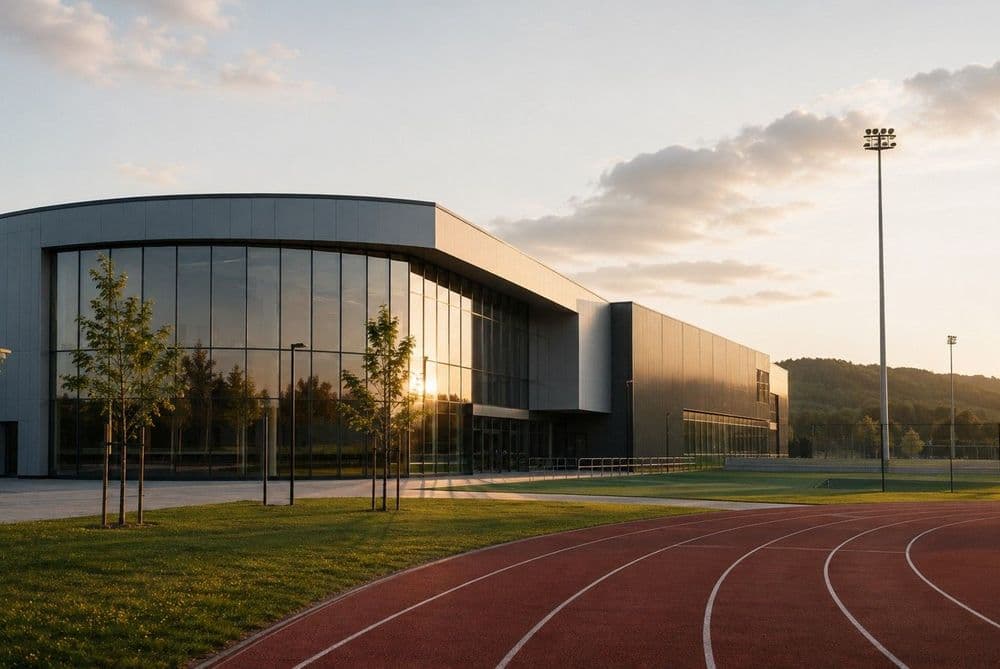
Across the European Union, including Lithuania, sport is increasingly seen as more than just a way to pursue sporting achievements. It is also a tool for improving public health, encouraging social inclusion and making regions more attractive places to live. Good sports infrastructure can help bring communities together, support regional development and economic growth, while also creating better conditions for high-performance sport.
On 17 August, the deadline closed for applications under the Ministry of Education, Science and Sport’s call No. ŠMSM-001-K, “Construction and Reconstruction of Municipal Sports Infrastructure Facilities”. The programme plans to allocate €46 million from the state budget for sports infrastructure development in 2026–2028, including €19 million in 2026. For municipalities, this is an opportunity to build or renovate sports facilities, but also a chance to take a closer look at what infrastructure is actually needed in their areas and how it will be used in the long term.
What matters here is that the impact of these investments is not measured simply by how much infrastructure is built. The programme’s monitoring indicators are directly linked to the changes it aims to achieve. In other words, it is not just about creating new facilities, but about how they will be used over time and what difference they will make to people’s physical activity and high-performance sport. The targets include increasing the number of Olympic, Paralympic and Deaf athletes, increasing the share of people who have access to enough physical activity opportunities in their local area, and increasing the number of visits to the municipal sports facilities funded through the programme.
The goals set for the projects also show that the focus is not simply on counting newly built or renovated facilities. What matters much more is the impact these facilities can have on people’s physical activity, access to sports services and opportunities for high-performance sport. A well-planned sports facility can do much more than simply provide a place to train. Multifunctional sports centres can give children and young people more opportunities to be active, encourage residents to exercise and enjoy an active lifestyle, and provide better conditions for developing high-performance athletes.
The initiative also partly reflects the main priorities set out in the European Commission’s 2024–2027 Work Plan for Sport: the integrity and values of sport, its social and economic impact and sustainability, participation in sport, and health-enhancing physical activity. Although this particular call is funded through the national state budget rather than EU funds, its goals and expected outcomes are broadly in line with wider European sports policy.
This approach to sports policy shows that the value of infrastructure is no longer measured simply by the number of facilities built or renovated. What matters much more is how many people will actually use the services, how intensively the facilities will be used, and what long-term opportunities they will create for residents, athletes and local communities.
When properly planned and put to good use, sports infrastructure can become much more than a place to exercise. It can be a space that brings communities together, gives children and young people more opportunities, encourages people to stay active and supports high-performance sport.
Seen this way, investing in sports infrastructure is about much more than investing in buildings. Its real value lies in the long-term impact it can have on people, communities and the regions they call home.

